UNI.CO

MODULAR CUTTING SYSTEM FOR SOLID OR CORRUGATED CAR

UNI.CO

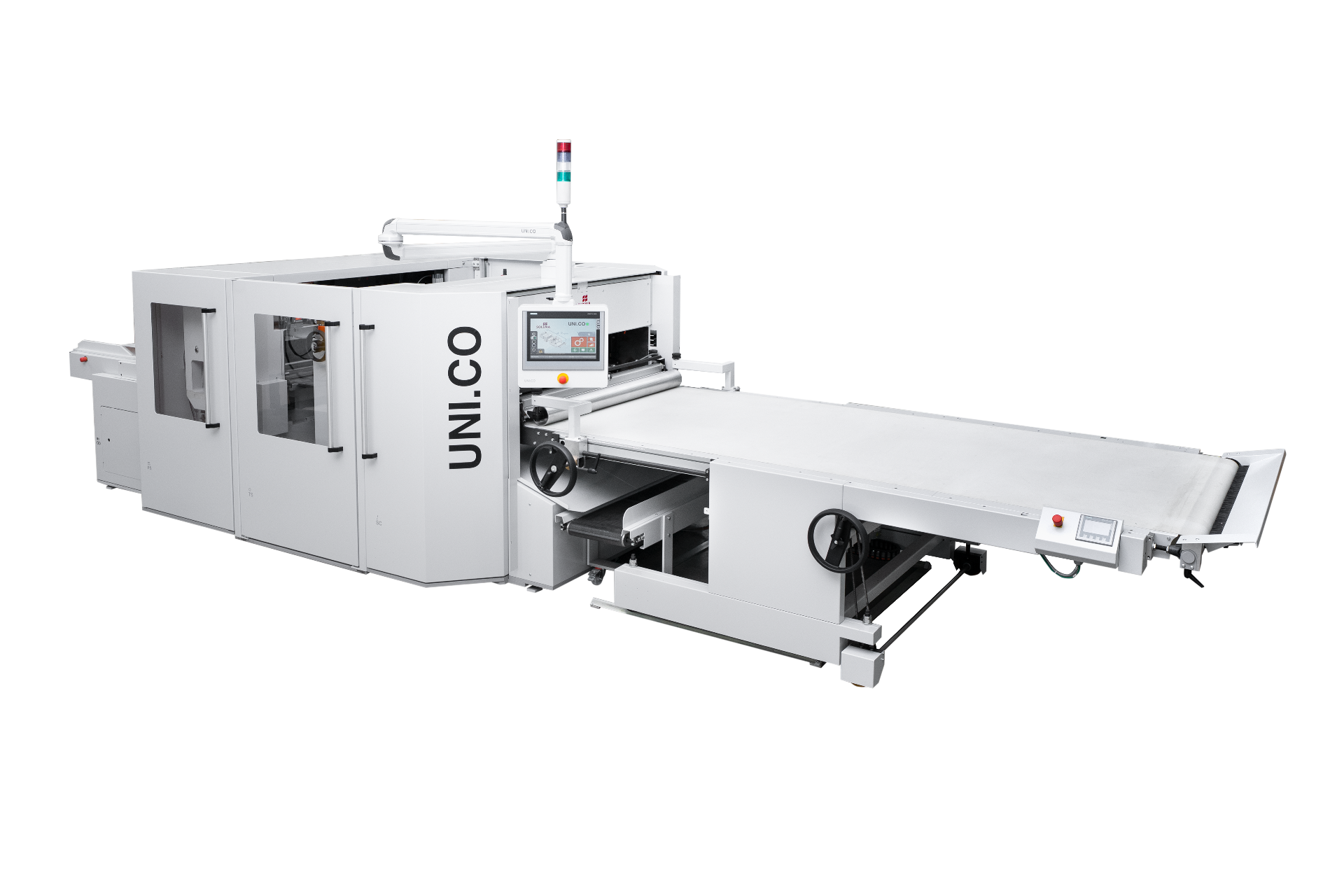
Uni.Co is the most innovative universal cutting system in the converting world and it will guide your business growth at every steps.

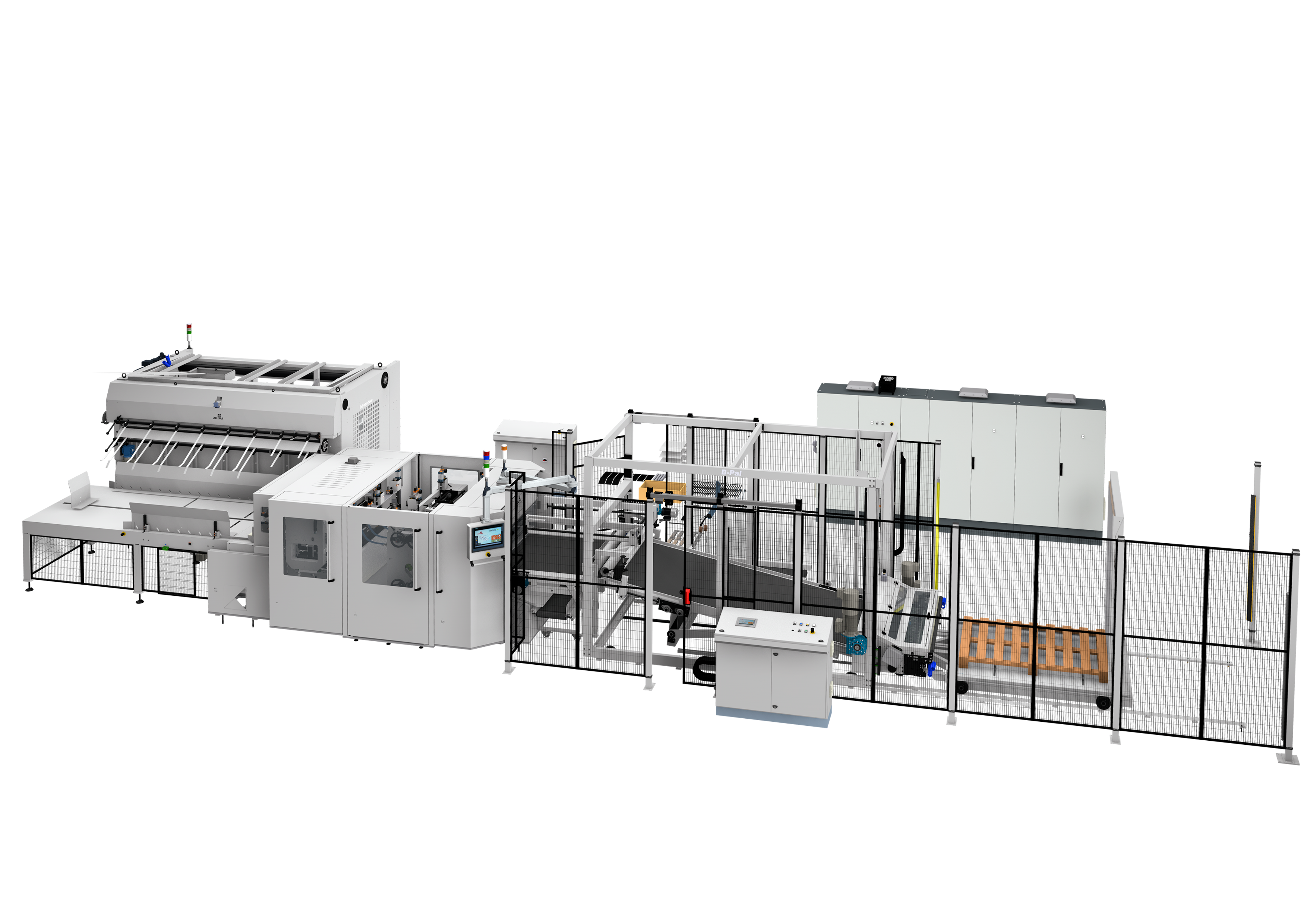
Uni.co is the perfect solution to whom works in the converting industry: it can work with every kind of paperboard, starting from solid or corrugated paperboard’s sheets or reels. The Uni.co’s modular cutting system is made by different cutting units that assembled together can offer 4 different configurations. Thanks to its modular design this cutting line can develop at any time by adding an extra cutting module, passing from one configuration to another and allowing the company to expand its production.

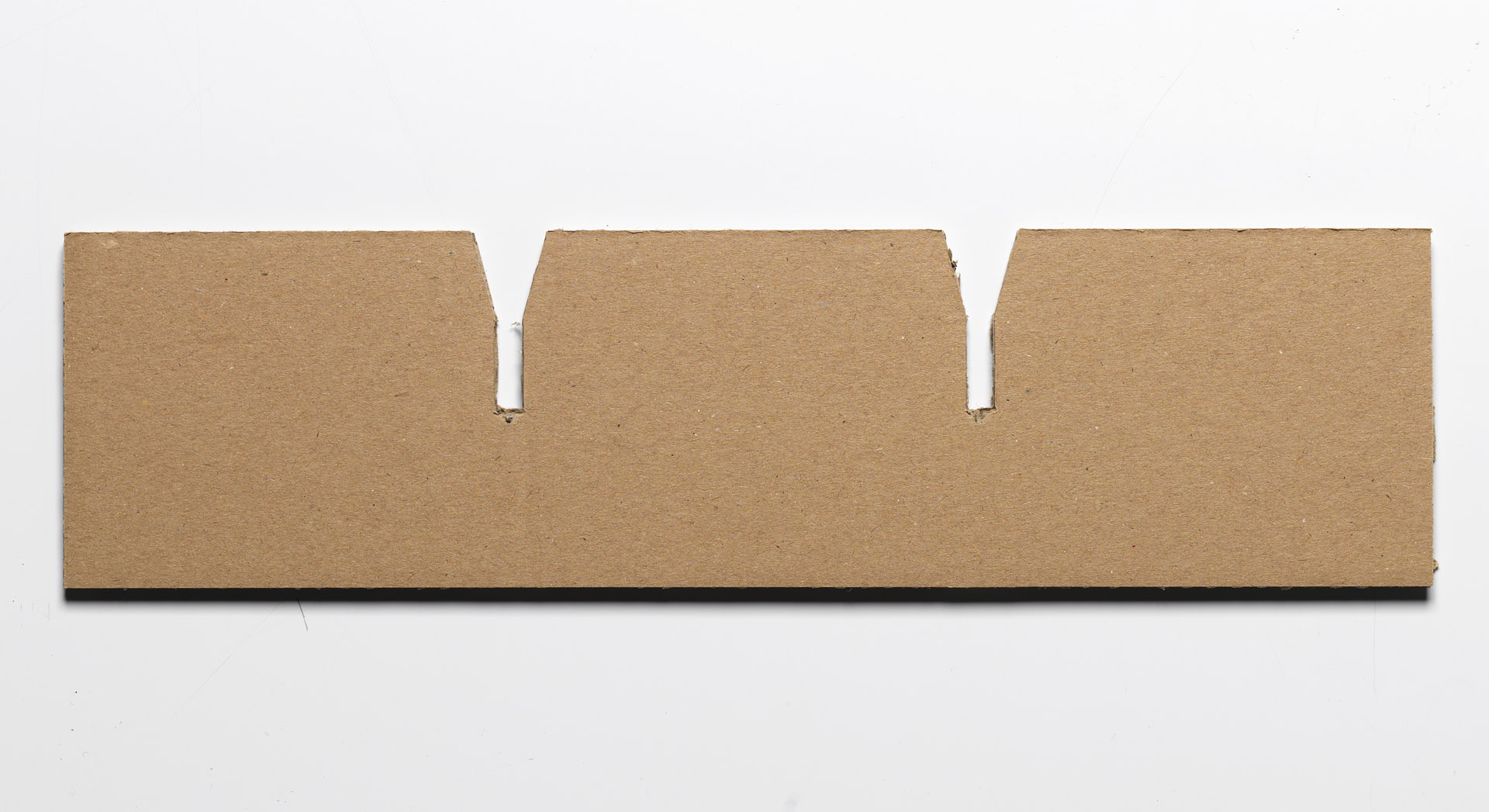
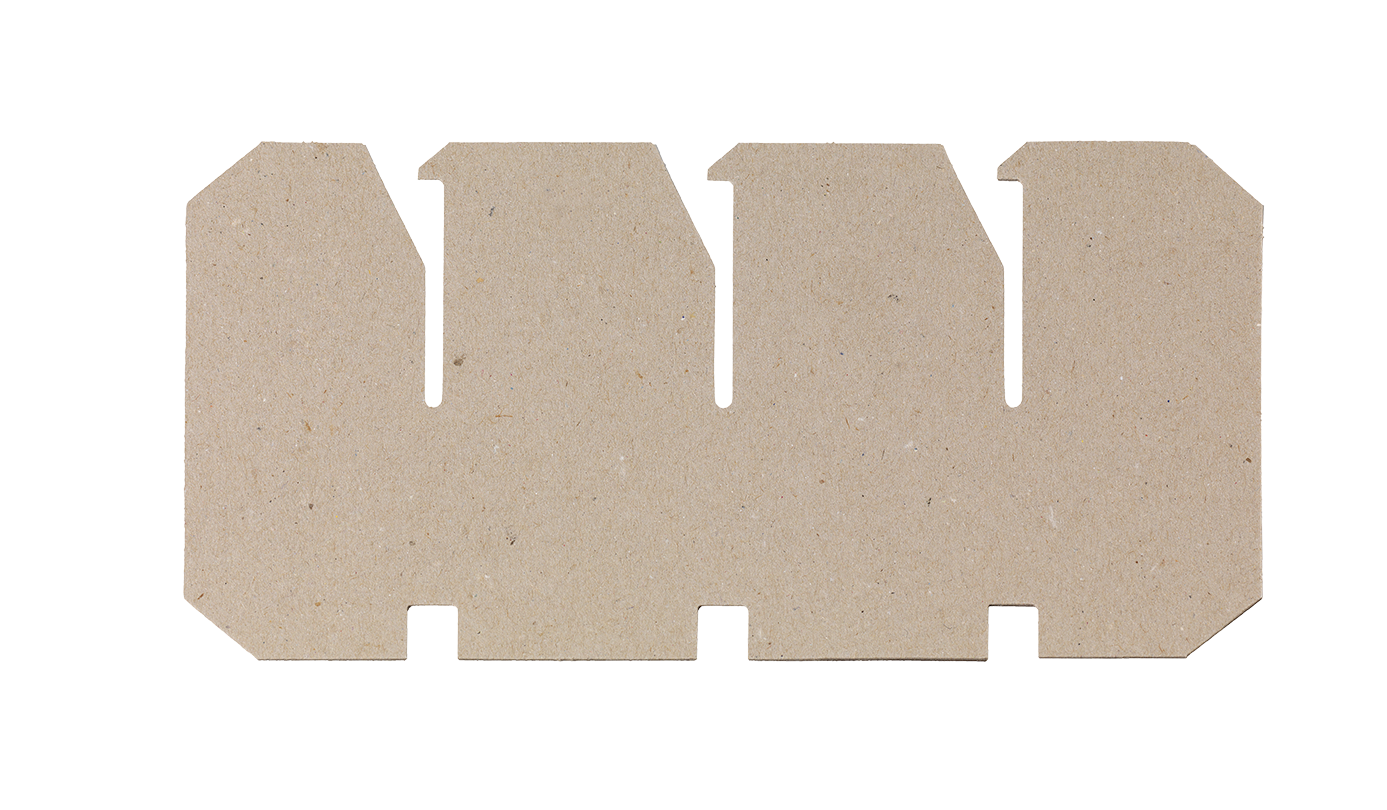
Switching from the production of solid and corrugated paperboard pads to the production of partitions is just a matter of software switches with the new modular Uni.Co. By adding the punching module to the basic configuration I, the customer will have a completely new machine, which turns into configuration F.

This modularity gives two huge advantages:

  • Scalable investment thanks to a super technological and innovative machinery.
  • Increase the products offer by adding cutting modules easily thanks to machine’s design that allows to update it both from a mechanical and software point of view.

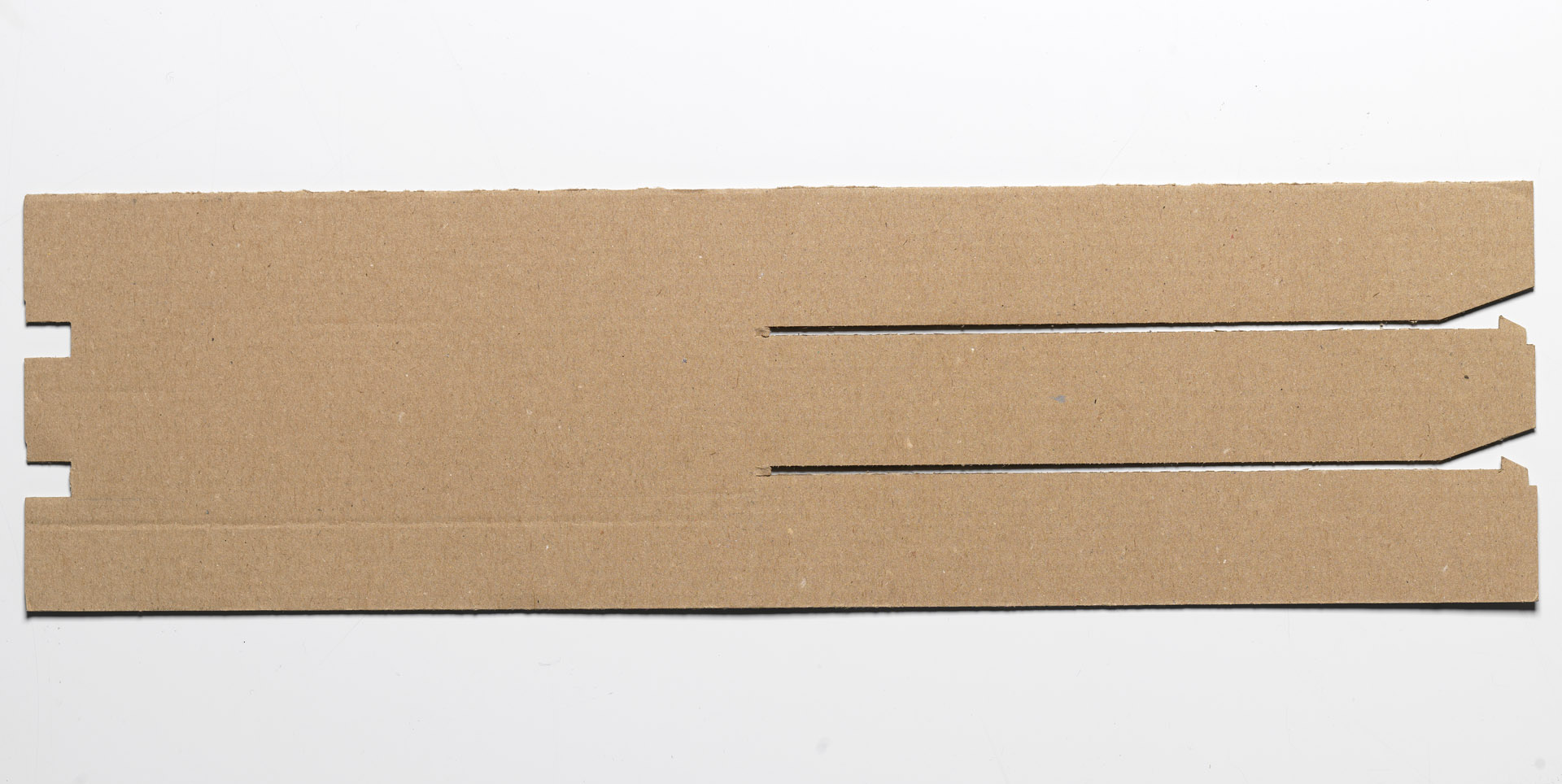
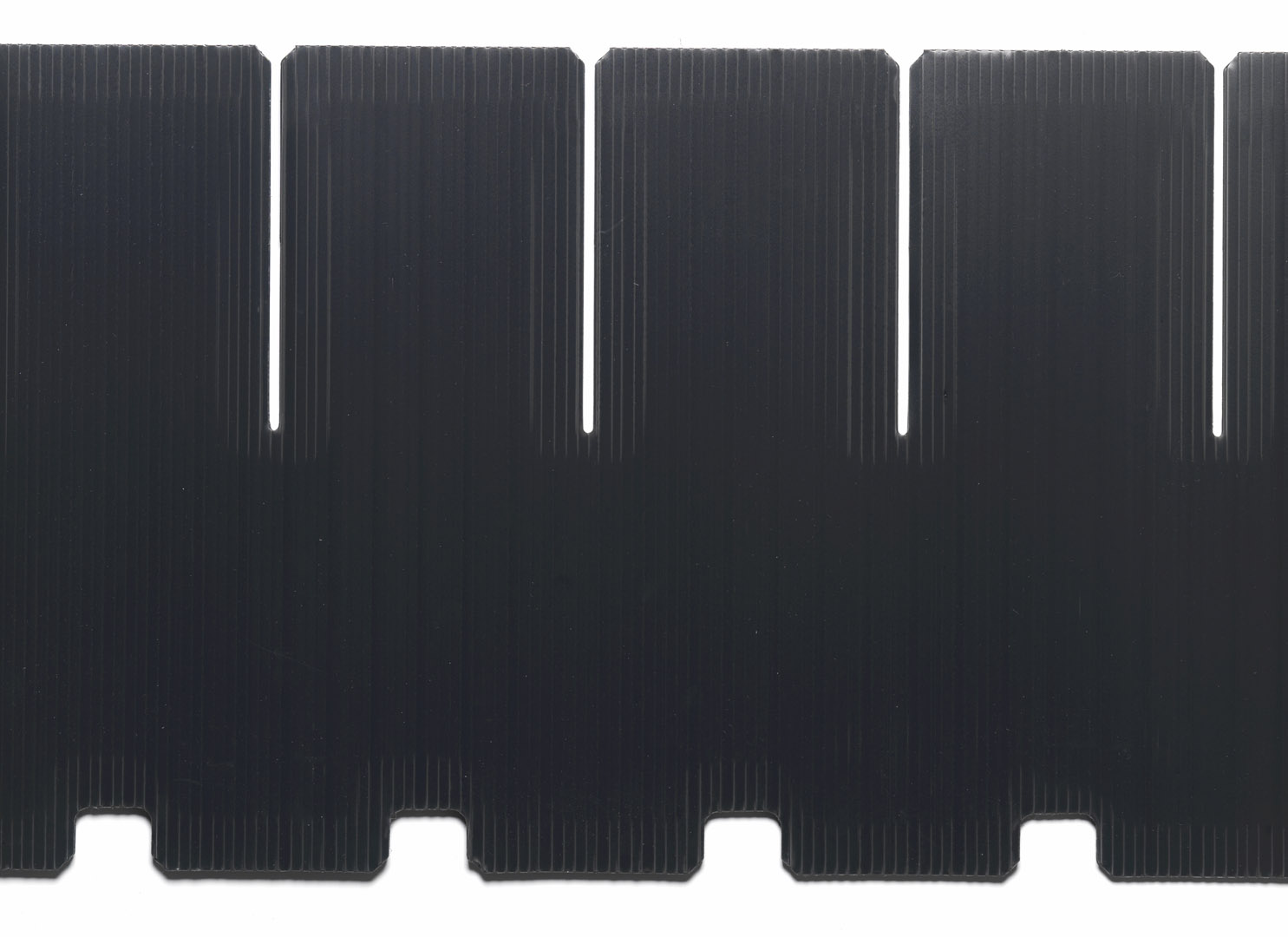
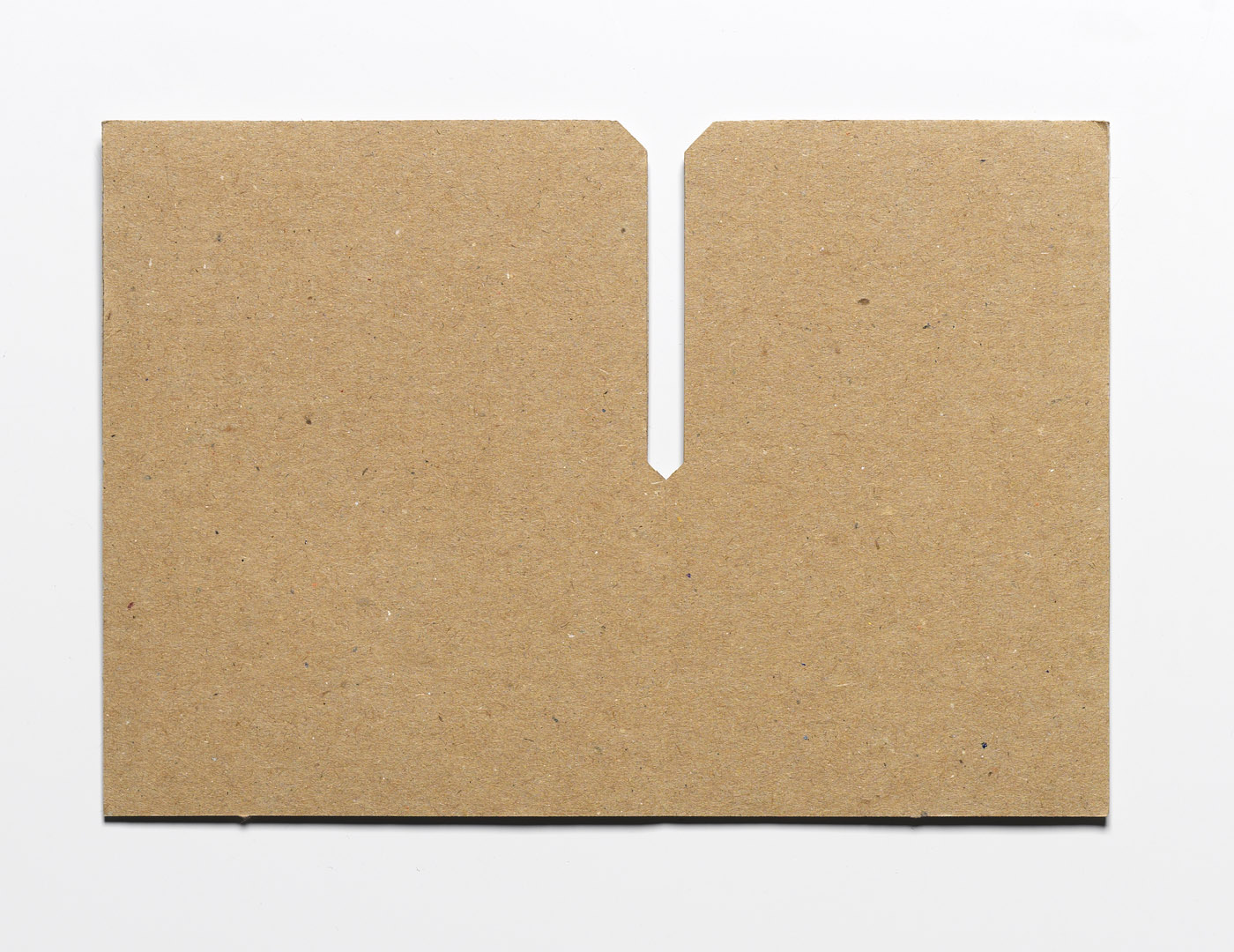
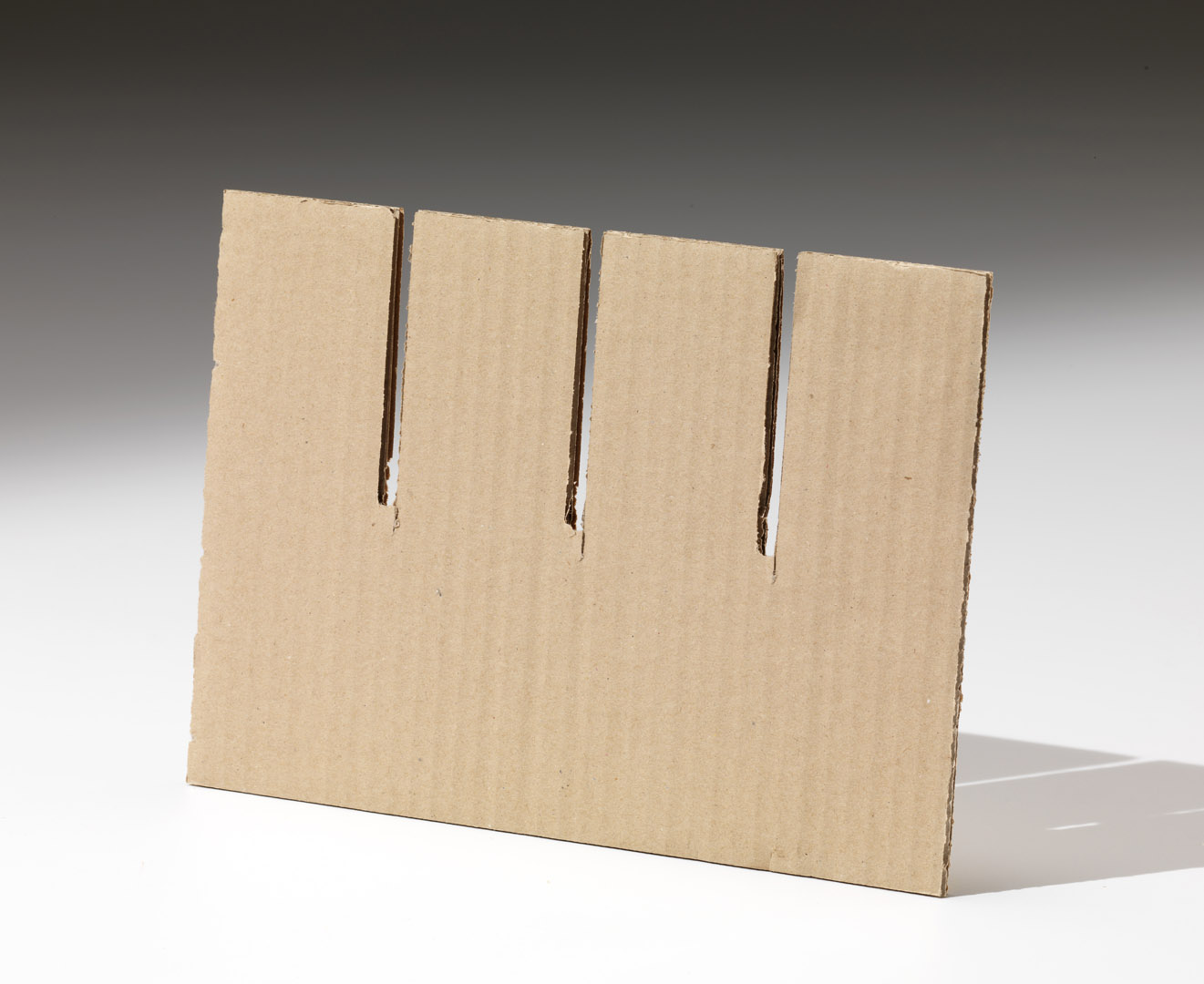
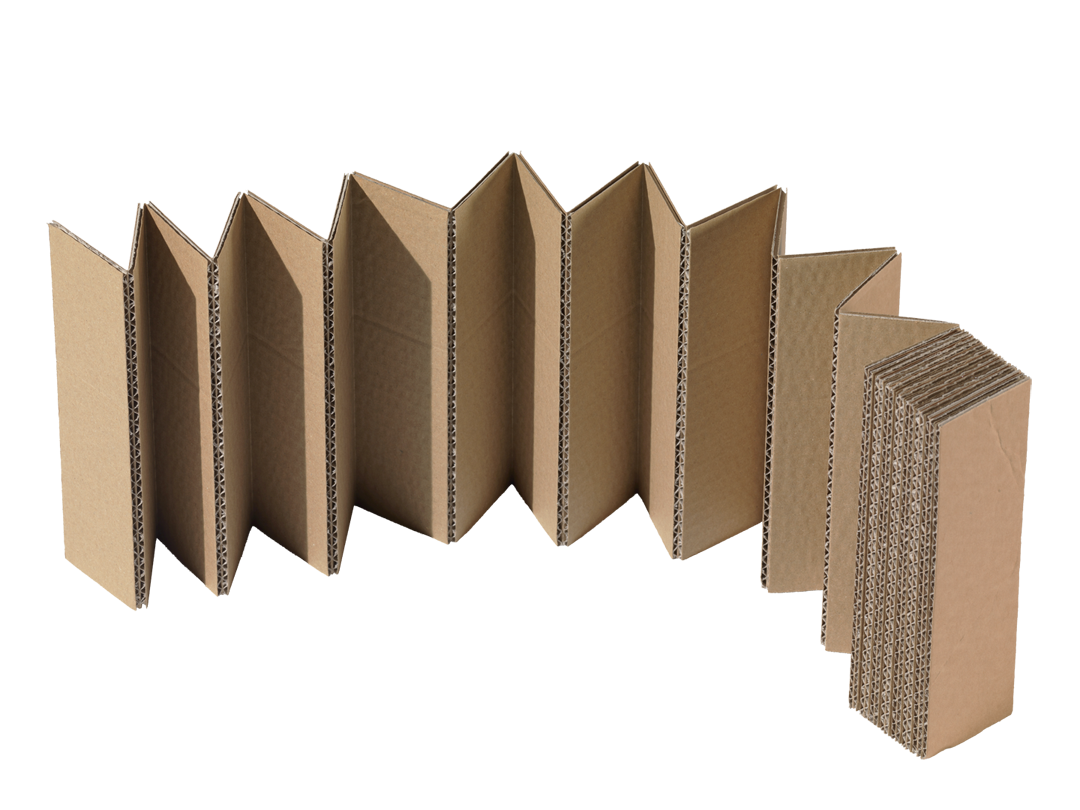
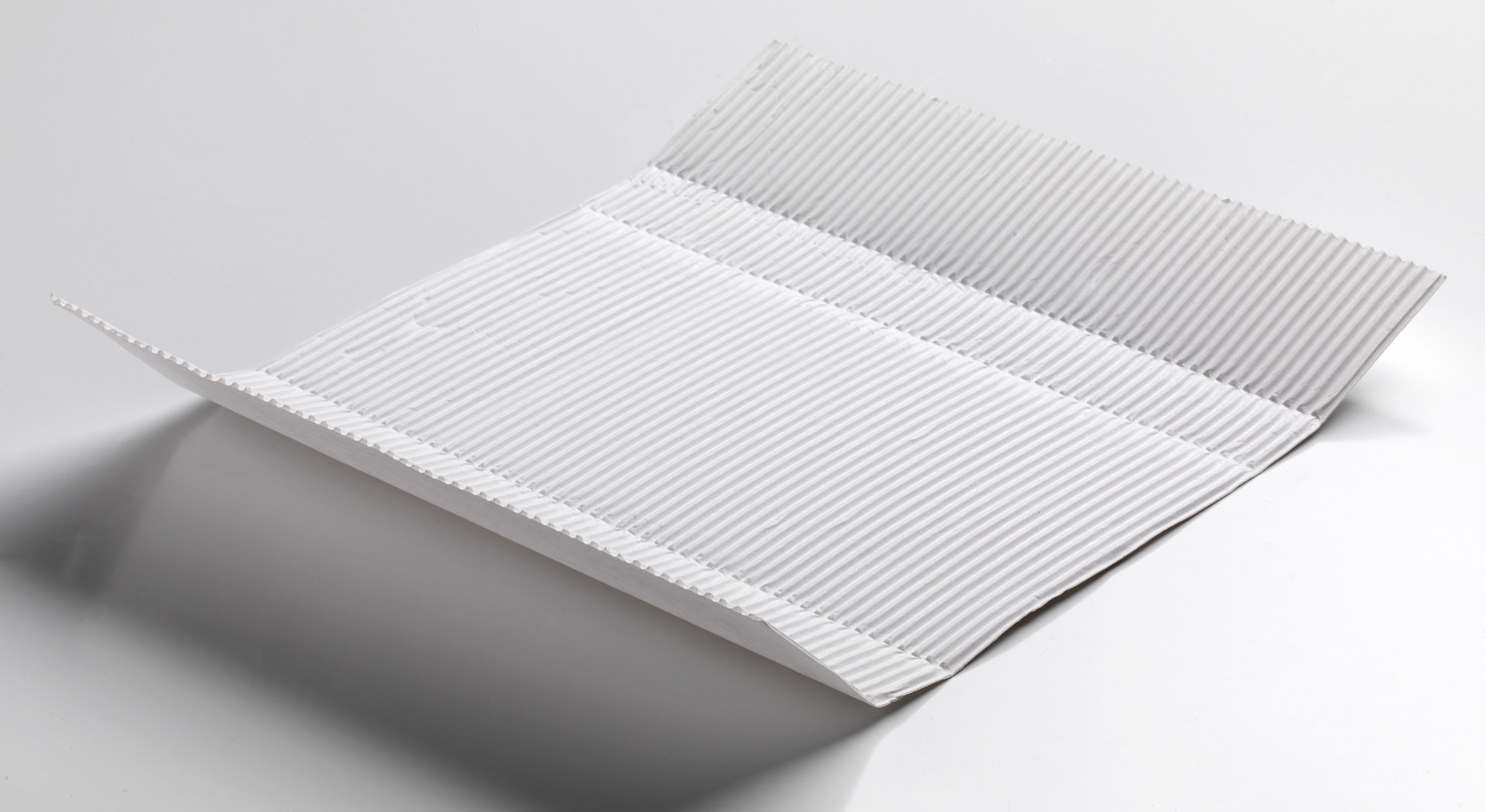
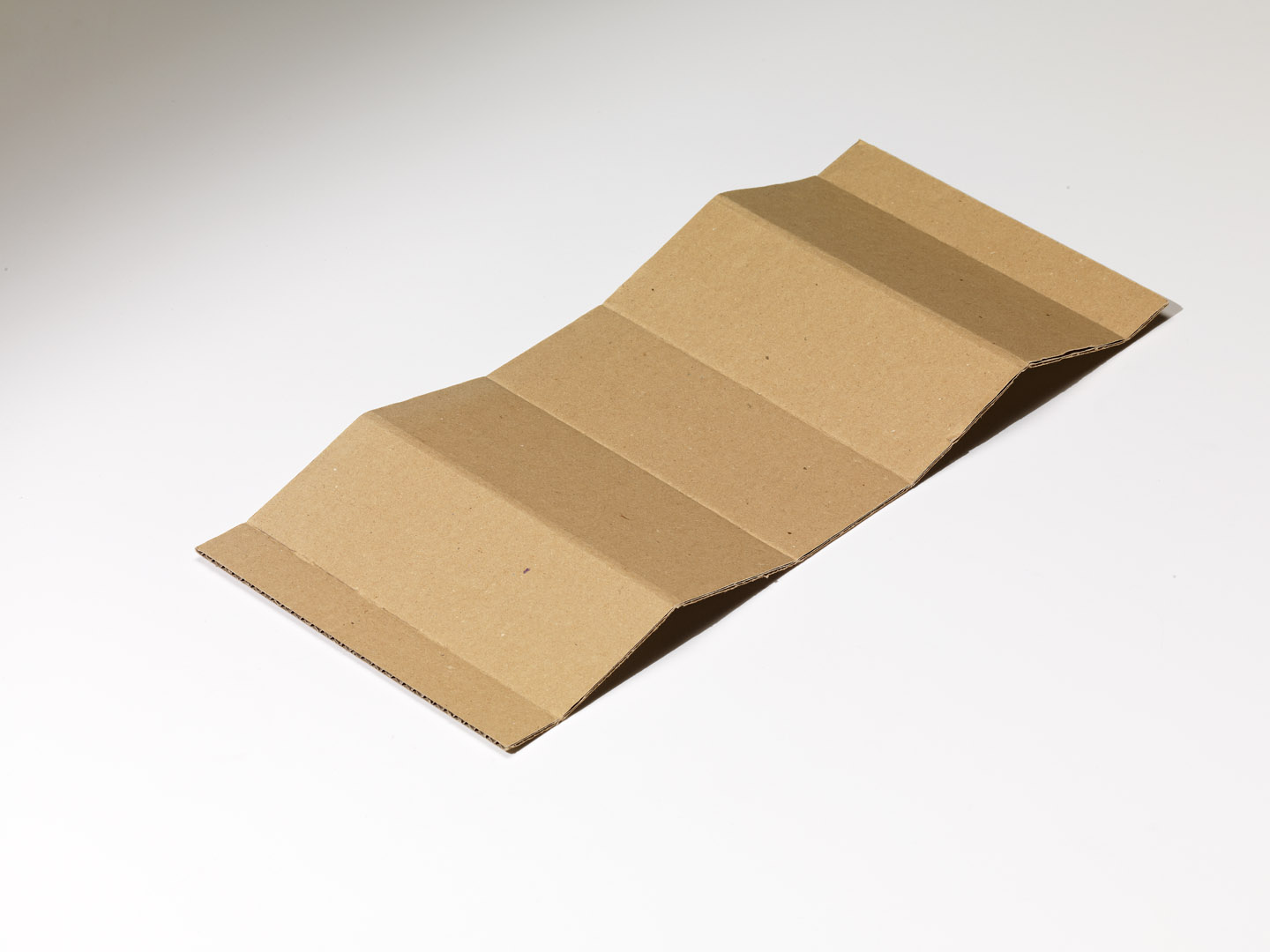
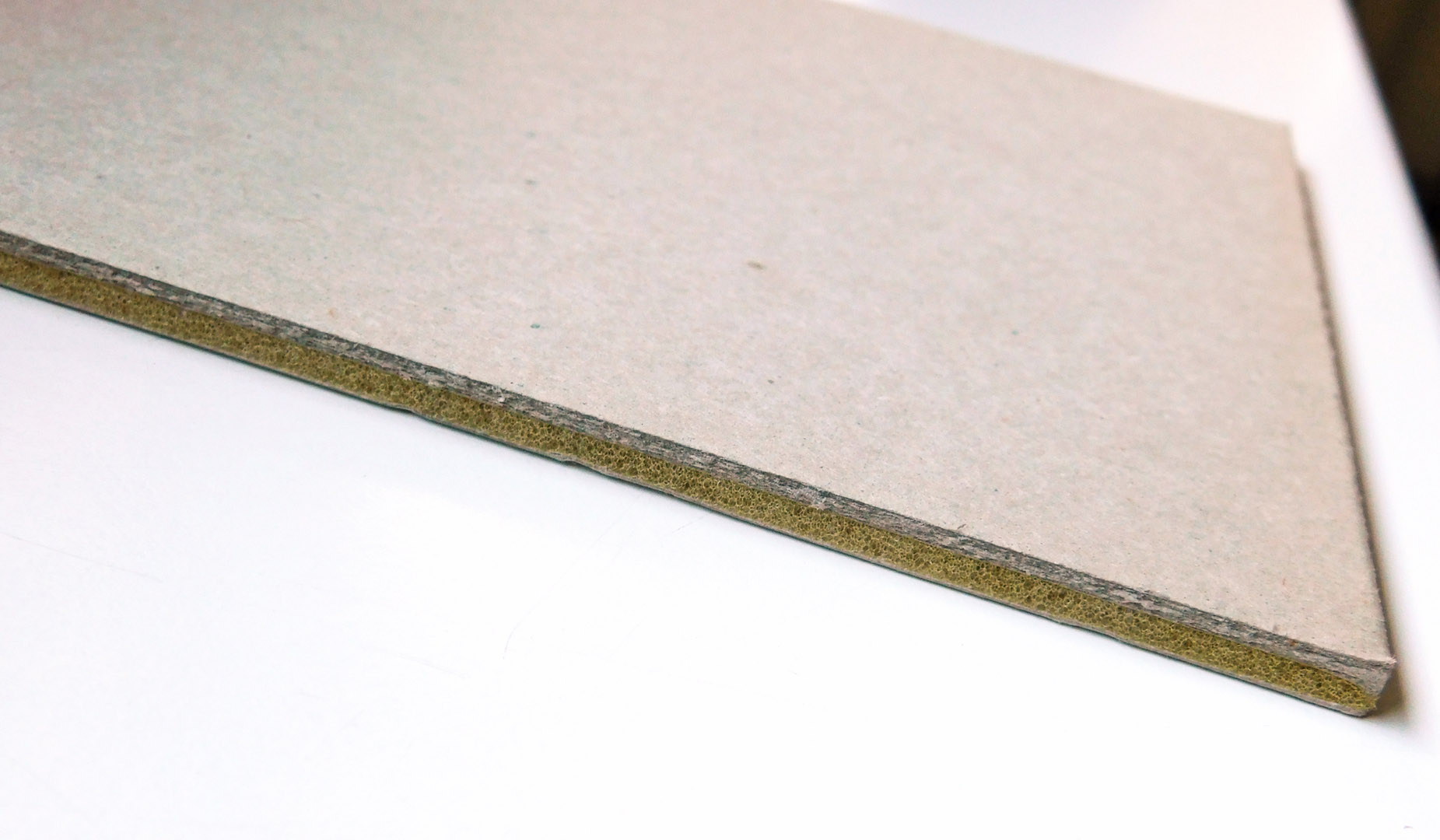
Uni.Co is a flexible machine capable of producing pads, partitions, reinforcements, internal protections, fillers and much more in solid and corrugated paperboard. Its flexibility is also displayed by the speed at which the size change takes place, easily possible thanks to the settings adjustment on the Touch Screen panel supported by a high-tech multimedia graphics.

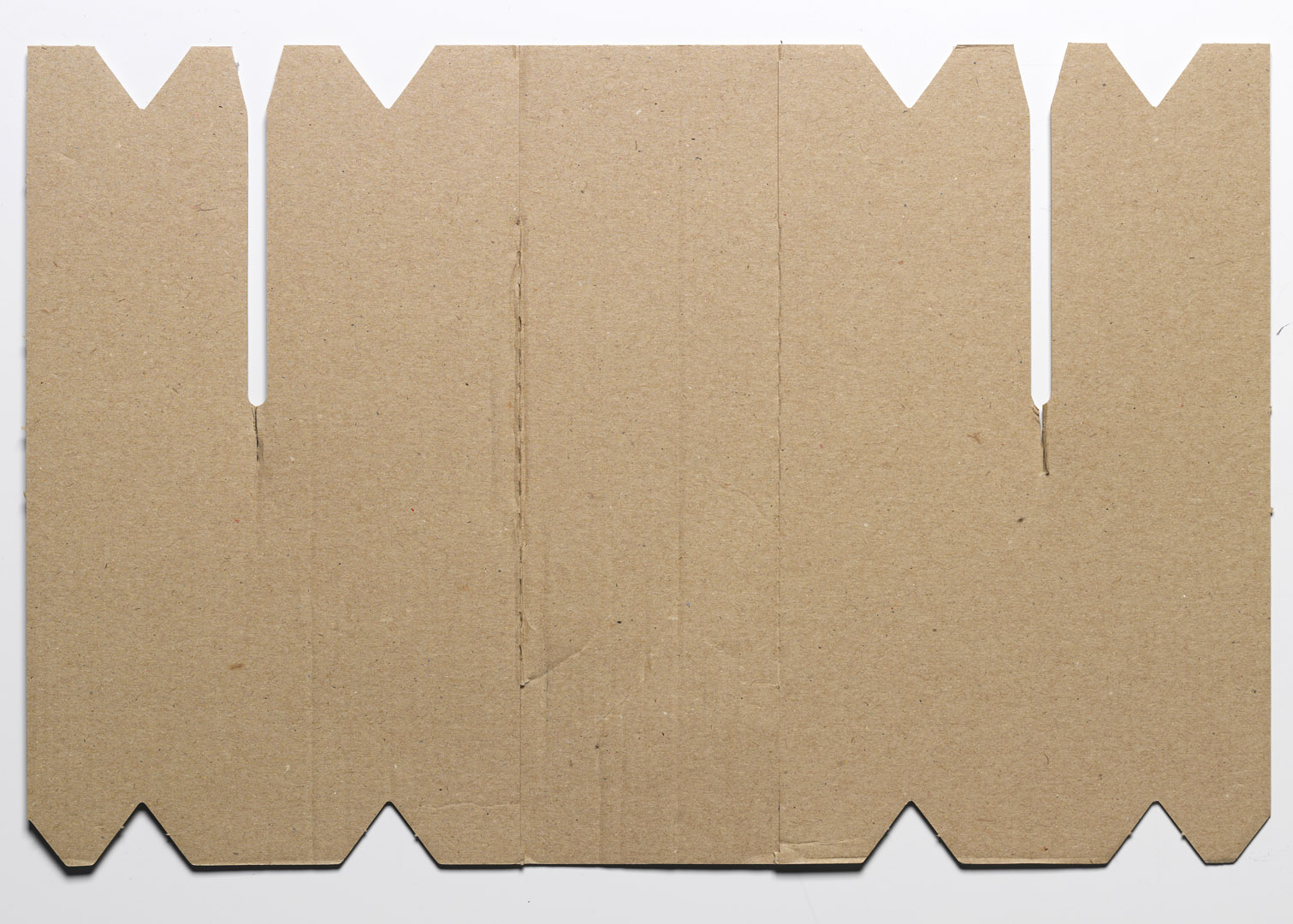
The punching system adopted to produce partitions makes this cutting system the most compact overall. Thanks to the use of punching tools, the customer will no longer have to use die-cutting tables, which always require large spaces to be stored.

Request Information

Technical Data

Machine speed

up to 170 cuts/minute - depending on pieces size

Board width

max. 1400 mm (55 18”)

Distance between slittingmin. 35 mm (1 3⁄8”)
Crosscuttingmin. 30 mm (1 316”) - max. 1600 mm (63”)
Partitions heightmin. 38 mm (1 12”) - max. 420 mm (16 1732”)


Video Gallery

FAQ

Choosing an automated cutting system for paperboard packaging should start from a practical assessment of the production context. Not all lines require the same performance: some prioritize continuity over high volumes, while others need greater flexibility in handling different formats and materials. It is therefore essential to consider how well the machine can integrate into existing processes and evolve over time. A well-designed system does not simply perform cutting operations, but also helps make the production flow more organized, controlled, and easier to manage.
When choosing a cutting machine, operational aspects are just as important as technical performance. The most effective paperboard packaging cutting machines combine precision with ease of use, allowing operators to intervene quickly and intuitively. Maintenance also plays a key role: a machine designed for fast, straightforward service operations helps reduce downtime and improve production continuity. These elements have a direct impact on the real efficiency of the line.
Among the available solutions, there are systems designed for individual operations and machines capable of integrating multiple functions within the same process. The most advanced automated cutting machines for paperboard packaging adopt a modular structure, allowing the configuration to be expanded over time without replacing the entire system. In this perspective, solutions such as UNI.CO work as a universal paper cutting system, making it possible to switch from one process to another, for example from the production of pads to cardboard partitions, and to introduce new functions through targeted upgrades.
Introducing automatic cutting systems for paperboard packaging makes the process more continuous and controlled, reducing the need for manual intervention. Companies that invest in automated cutting systems can manage production volumes more effectively and respond more quickly to market requirements. Automation also supports better work organization and allows manufacturers to expand their offering progressively, adapting the system to new production needs over time.